Impact
Nopef measures its impact by tracking outcomes following the completion of a feasibility study, including whether the company established operations, invested in a pilot project or decided not to enter a market based on new insights. From the outset, each study is assessed against clear environmental criteria, ensuring that only projects promising genuine climate or environmental benefits are supported.
After completion, the follow‑up process focuses on commercial results as well as environmental and social benefits and the company’s longer‑term presence in the target market. This ensures that Nopef’s impact is measured in terms of the lasting value it creates, not merely the number of projects it approves.
Impact per project
Nopef monitors the results of realised projects through a customer survey carried out three years after project completion.
Based on 276 projects surveyed, the average project
that resulted in an international establishment:
 |  |  |
Created about 12 global jobsof which two are in the Nordics | Generated about EUR 1.38 min project-related investments | Achieved about EUR 2 min project-related sales by year three |
These averages show that relatively small feasibility studies can unlock substantial commercial value when they lead to successful establishments.
Expected impact from projects approved in 2025
Using the average impact per realised project and assuming that 50% of the 52 projects approved in 2025 will be realised, Nopef estimates that these projects could, over the coming years:
Create about
300 new jobs globally
of which almost 60 will be based in the Nordic countries
Generate over
EUR 35 million
in project-related
investments
investments
Result in over
EUR 50 million
in project-related
sales
sales
These figures highlight the leverage effect of early-stage support: relatively modest funding for feasibility studies can trigger much larger investments and long-term business activity.
Environmental and social impact
Nopef’s environmental performance is assessed against defined environmental drivers (see Key activities in 2025), which indicate where the greatest environmental benefits are generated. More than 50% of feasibility studies relate to climate change mitigation, which has remained the most common driver of Nopef projects in recent years.
In addition to delivering commercial impact through job creation, new investments and increased sales, these projects also contribute to:
- reduced greenhouse gas emissions through energy efficiency and renewable energy,
- better resource use, recycling and circular business models,
- reduced pollution to air, water and soil, and
- improved access to clean water, sustainable food and modern energy services.
Several projects are also delivering direct social benefits, including improved health outcomes, safer working environments and more inclusive access to essential services.
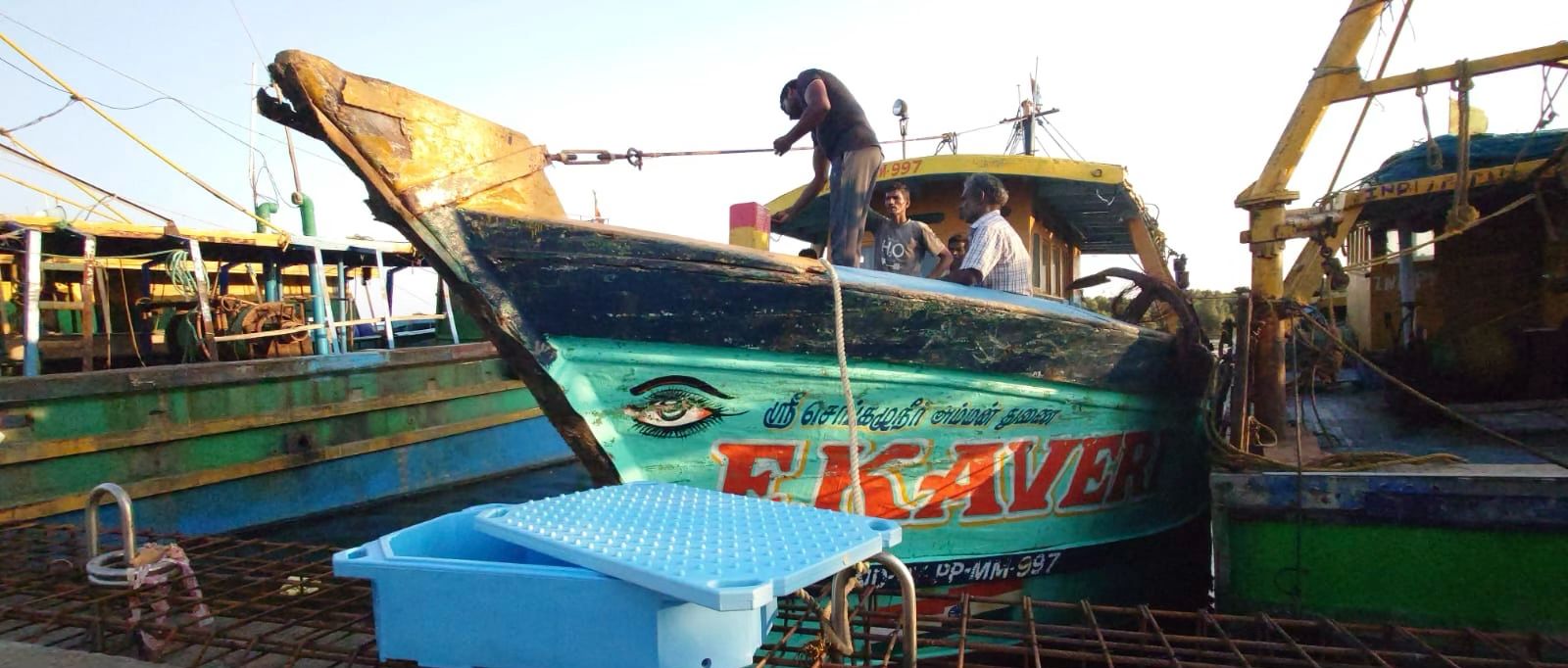
Icelandic innovation helps Kenyan fishermen
Kaldara Group has developed patented, reusable and recyclable insulated fish boxes to reduce post-harvest losses in Kenya’s artisanal fishing sector, where poor cooling results in food waste of up to 30%. Proven in Iceland, the solution keeps fish chilled from catch to consumption, improving food quality, extending shelf life and supporting fishers’ livelihoods. With support from Nopef, Kaldara conducted a feasibility study in Kenya, engaging authorities, partners and financiers. The results were positive, leading the company to establish a local subsidiary and adapt its boxes for small fishing boats. The company’s innovation reduces food waste, lowers carbon emissions and helps protect marine biodiversity.